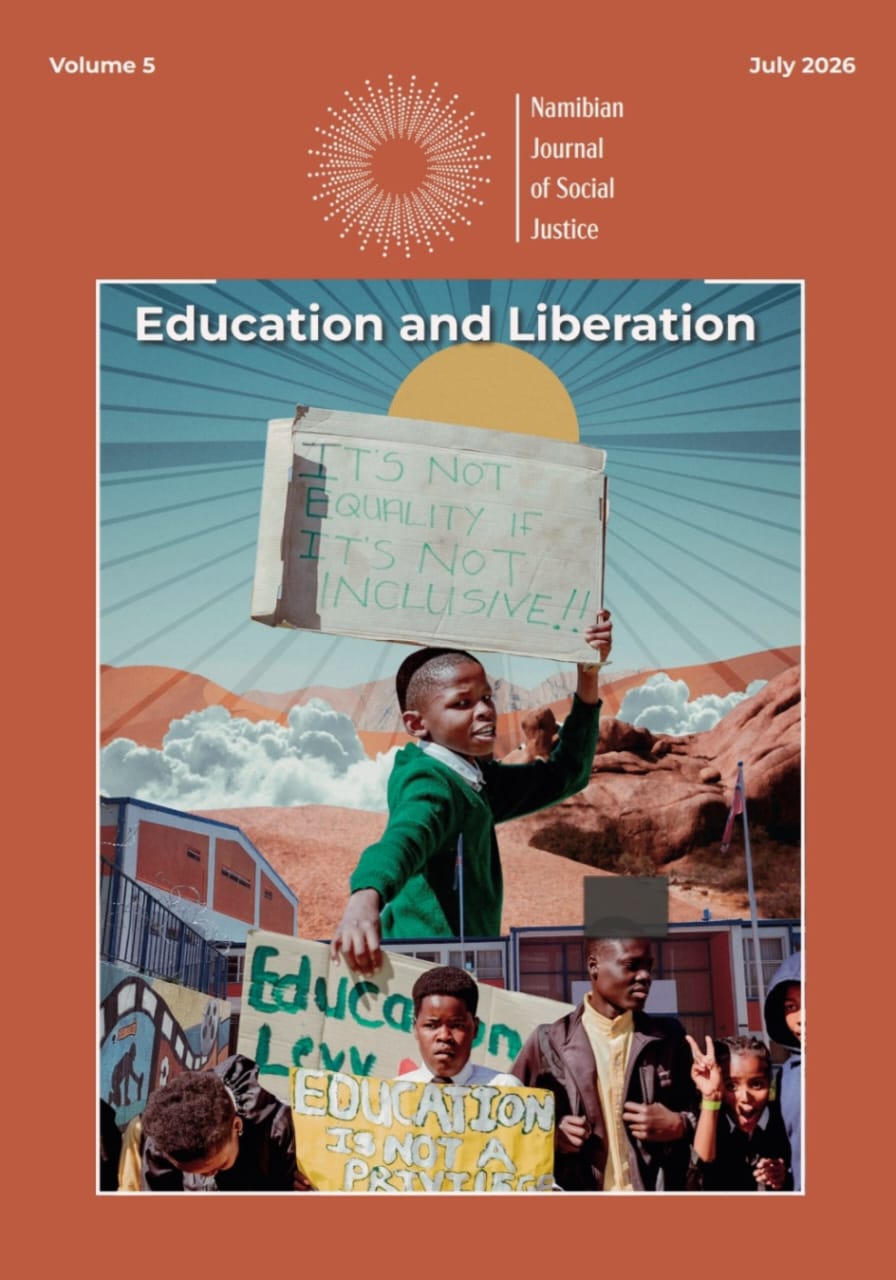
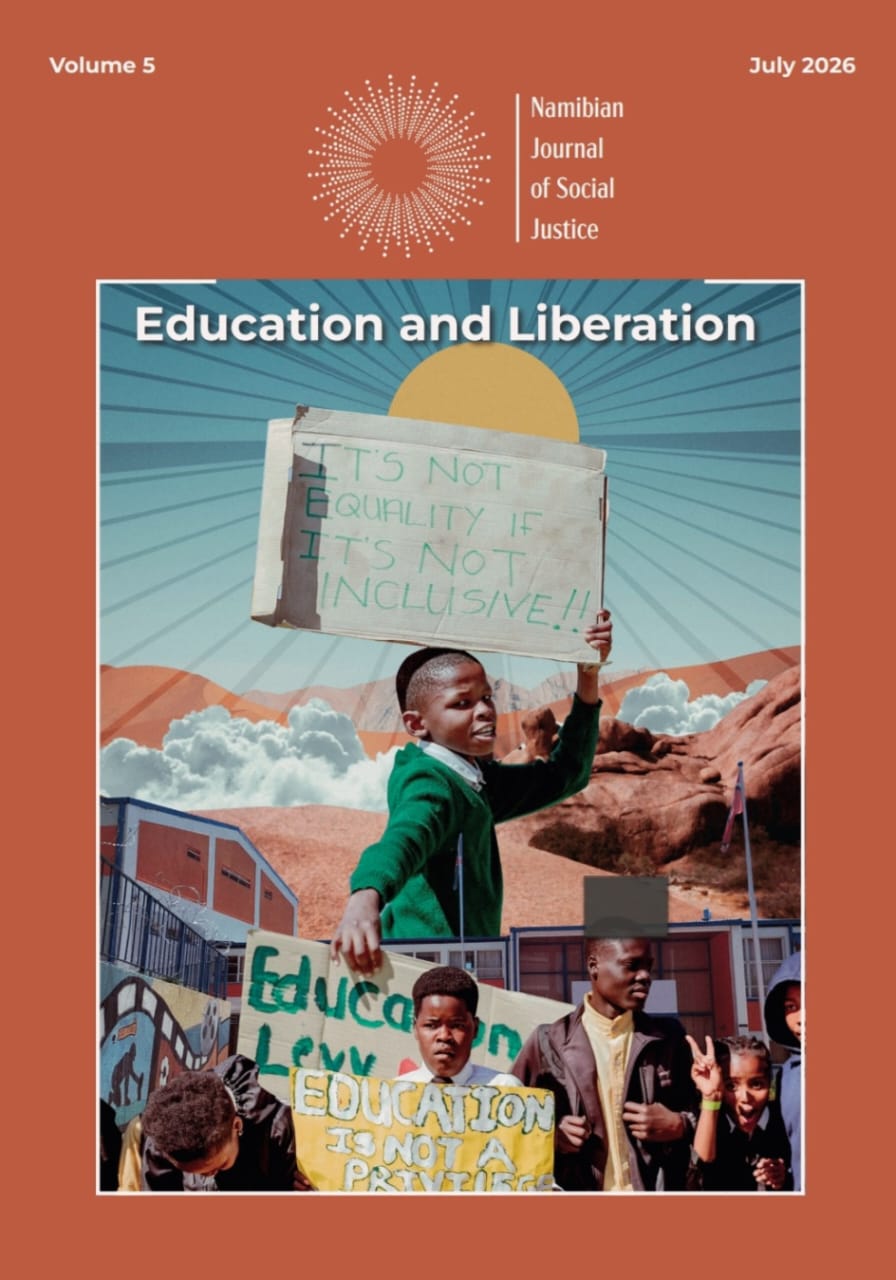
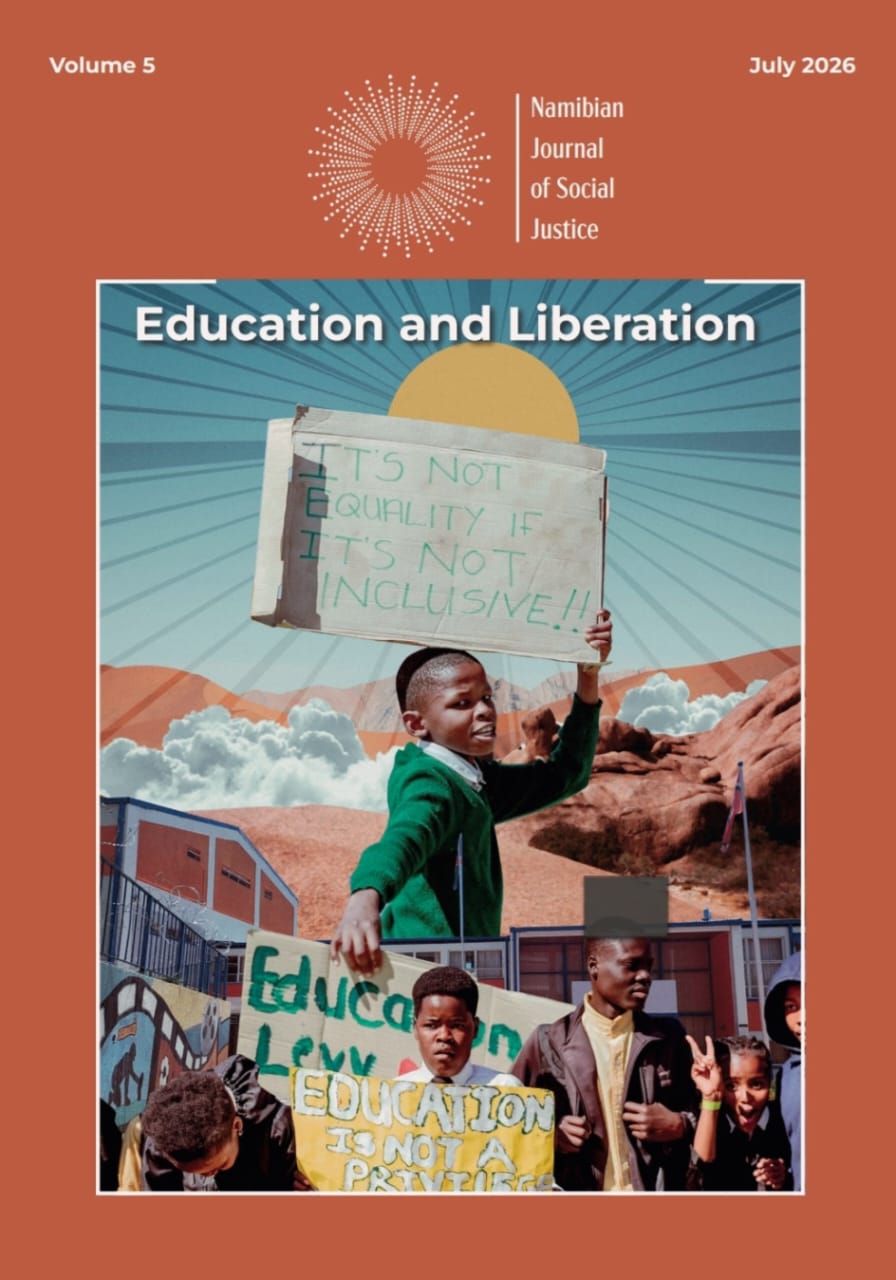
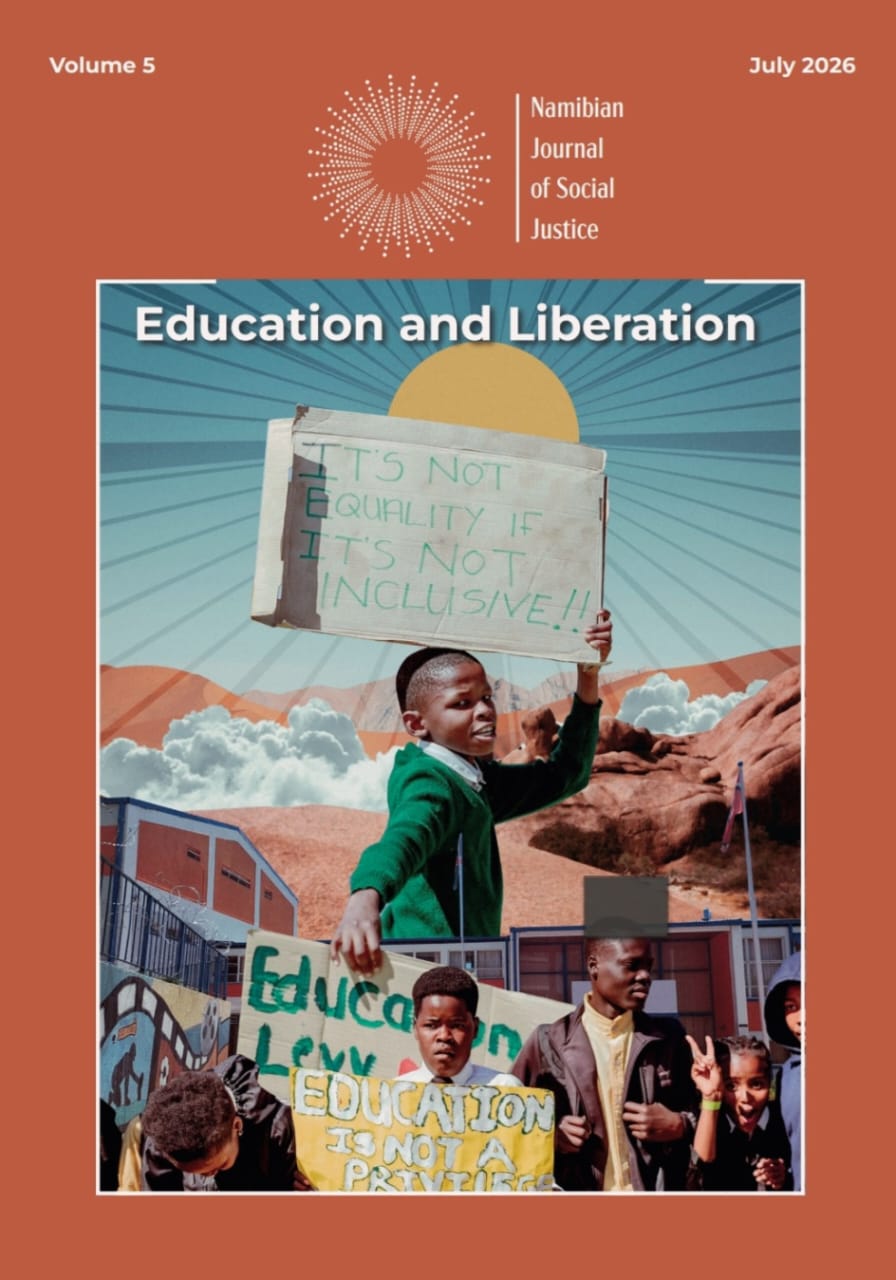
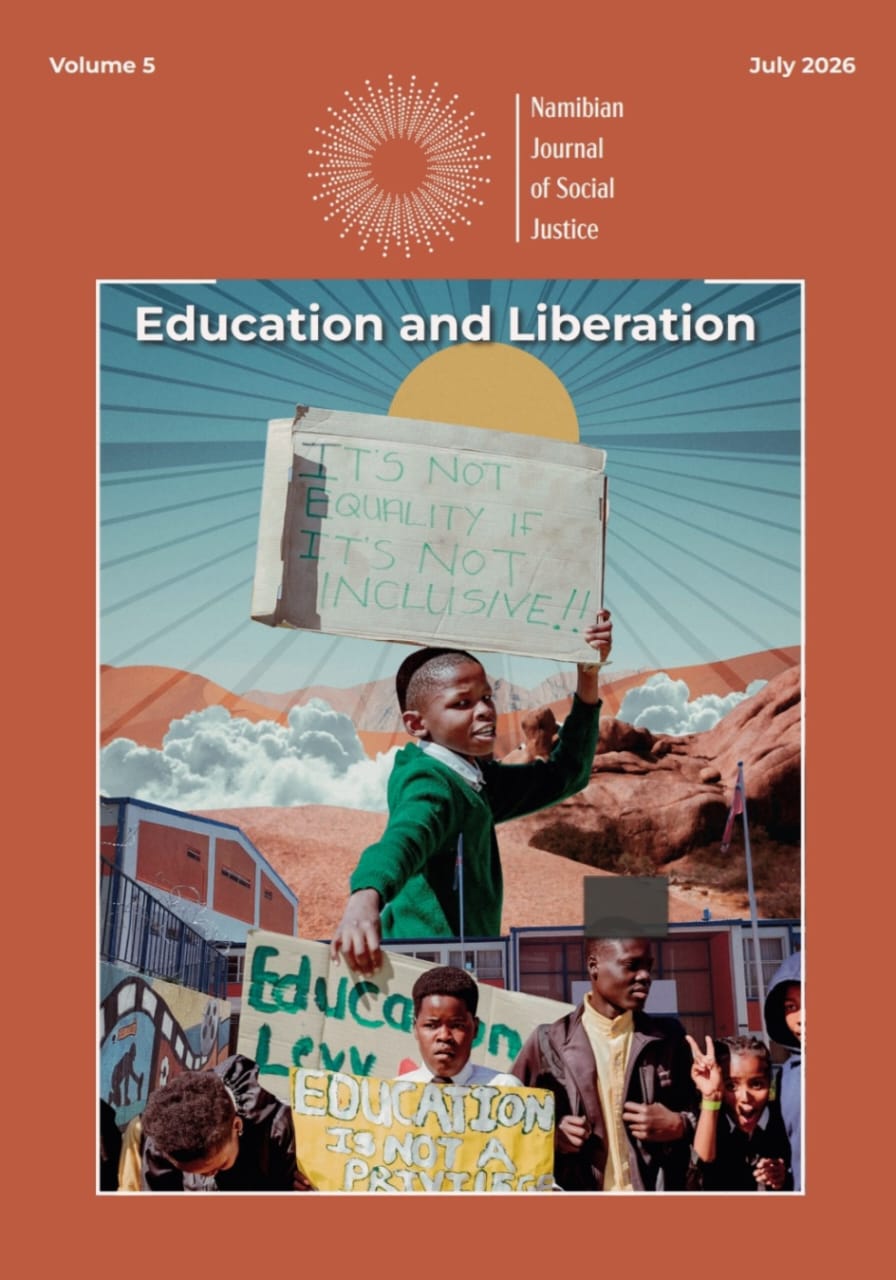
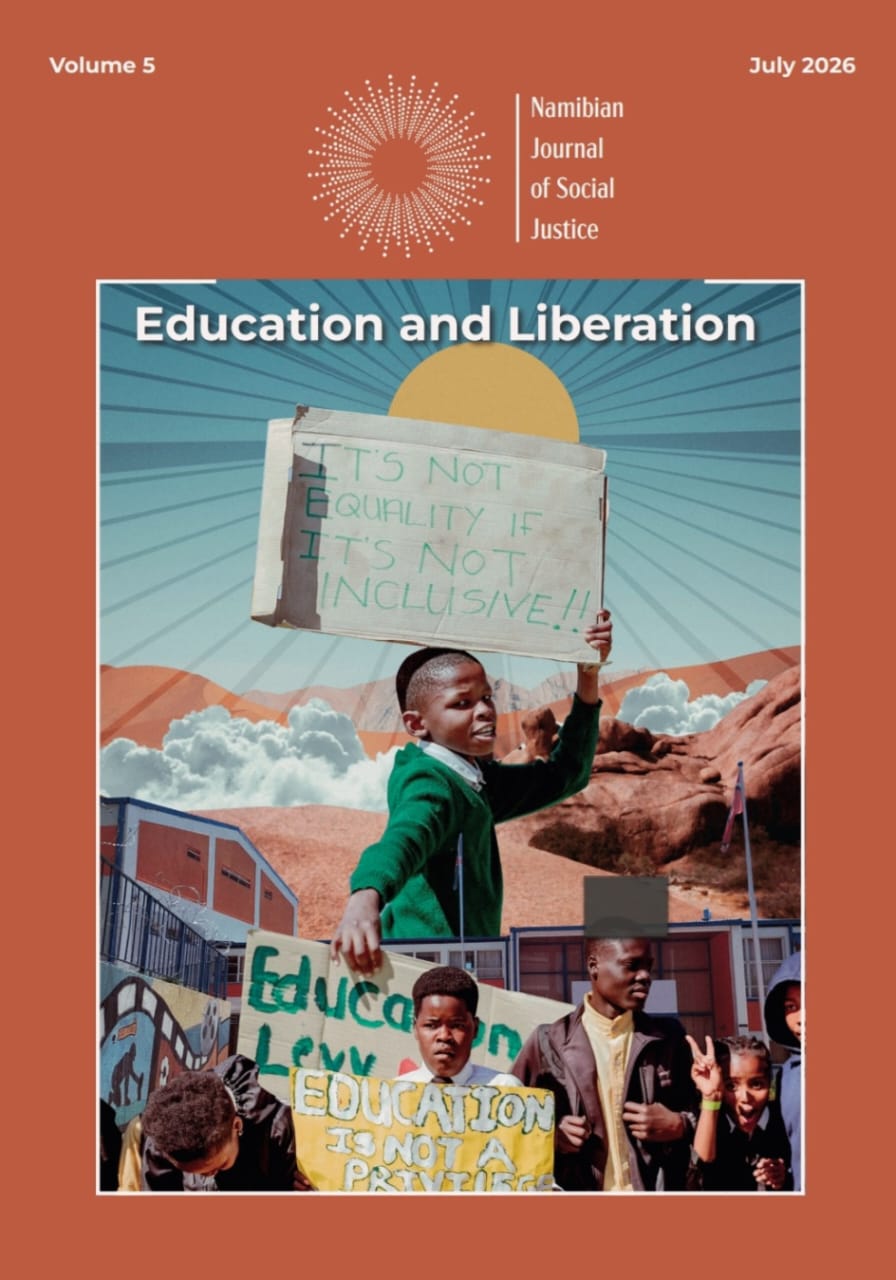
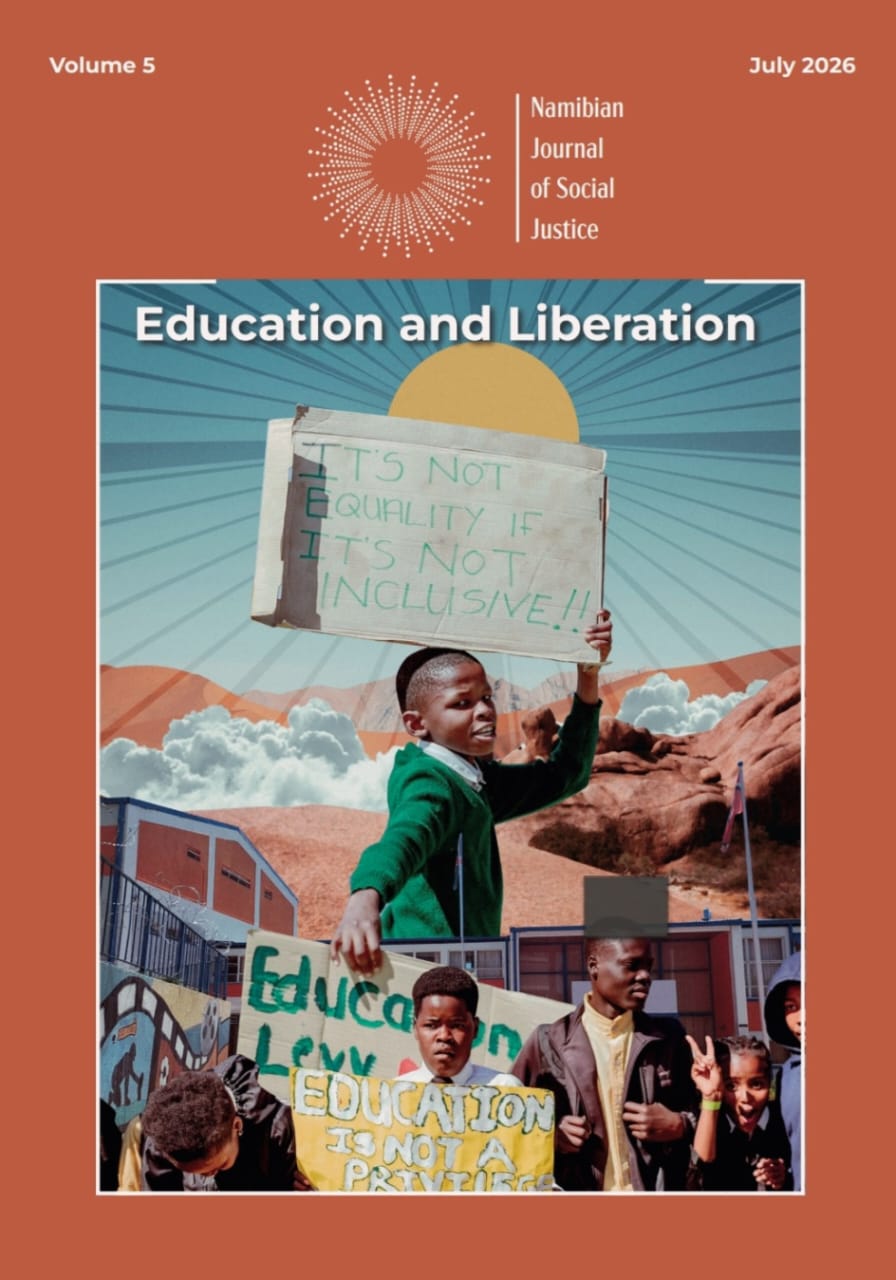
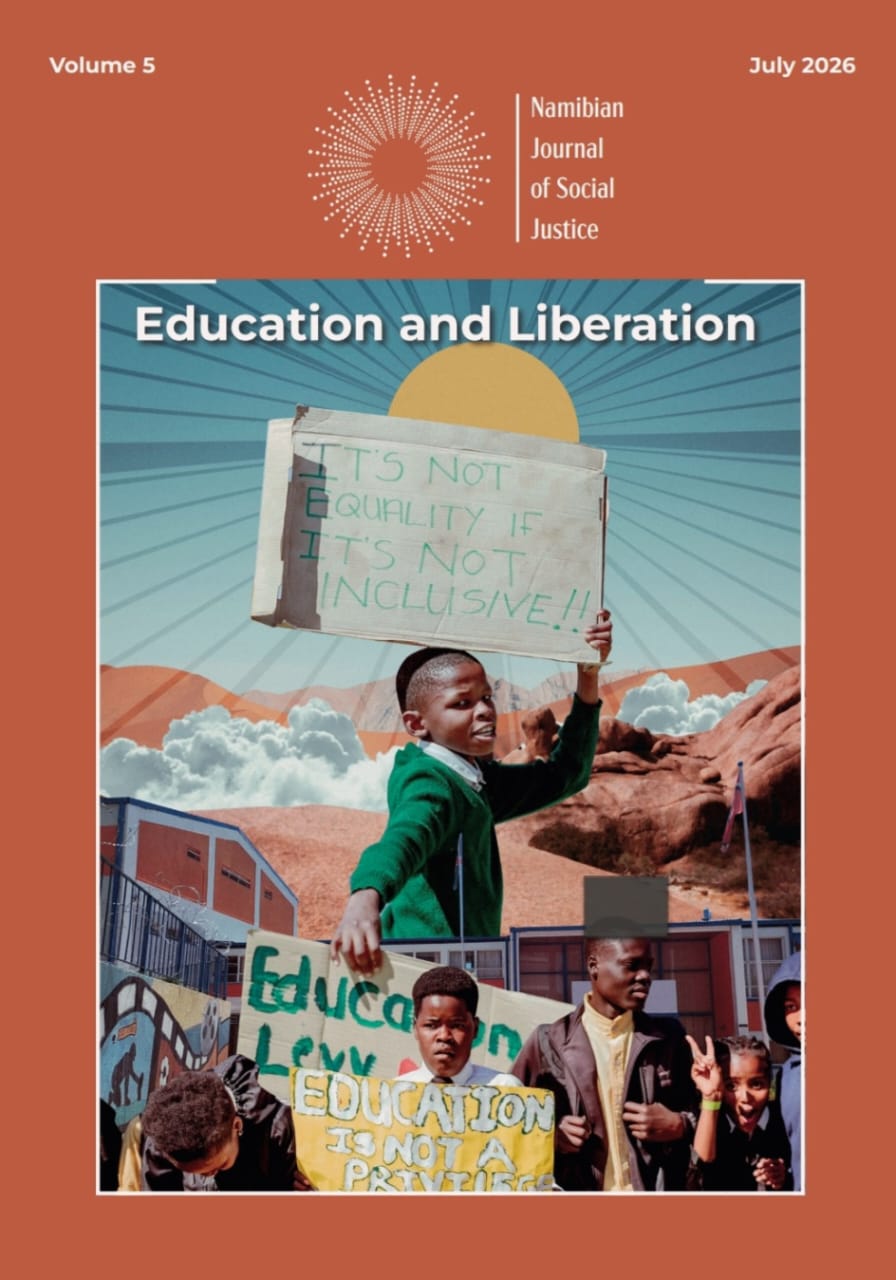
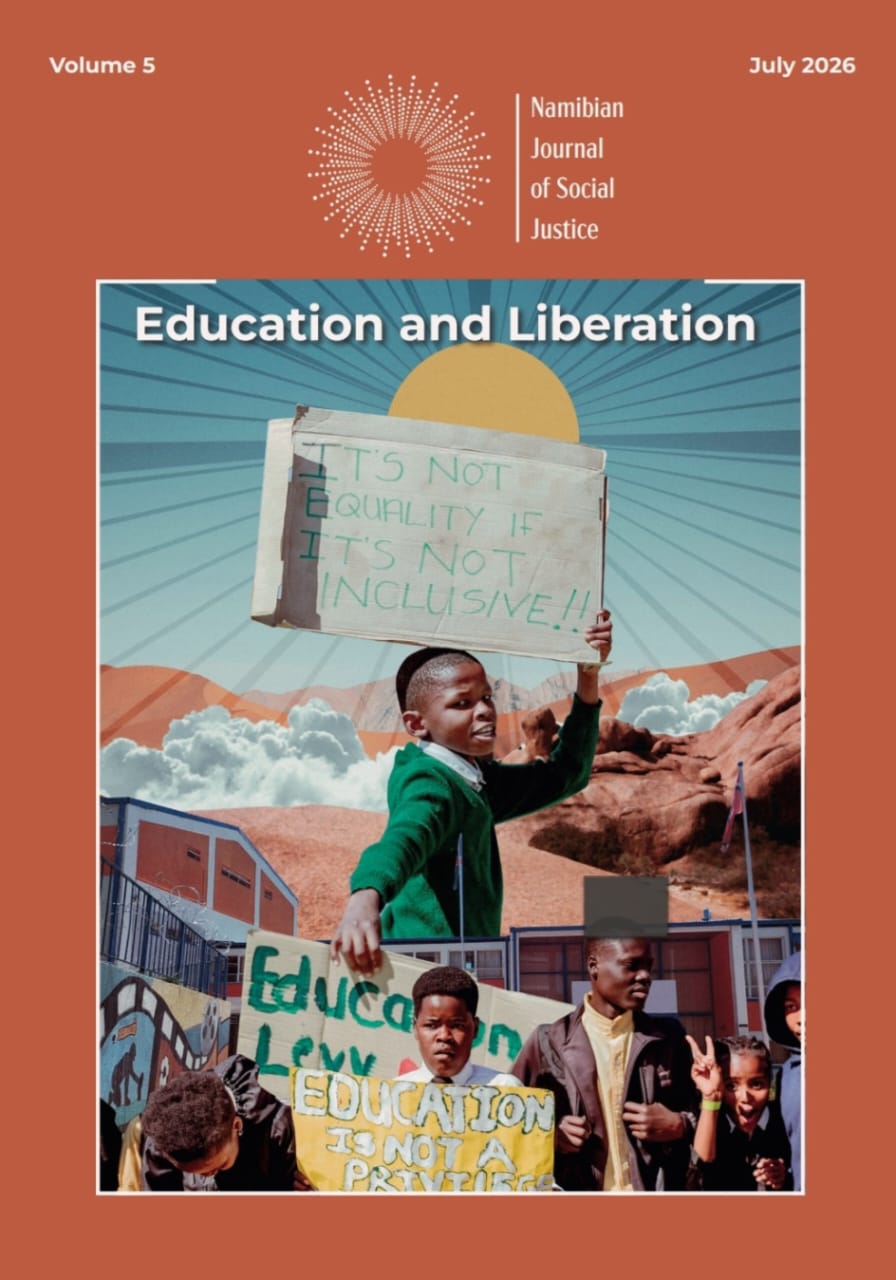
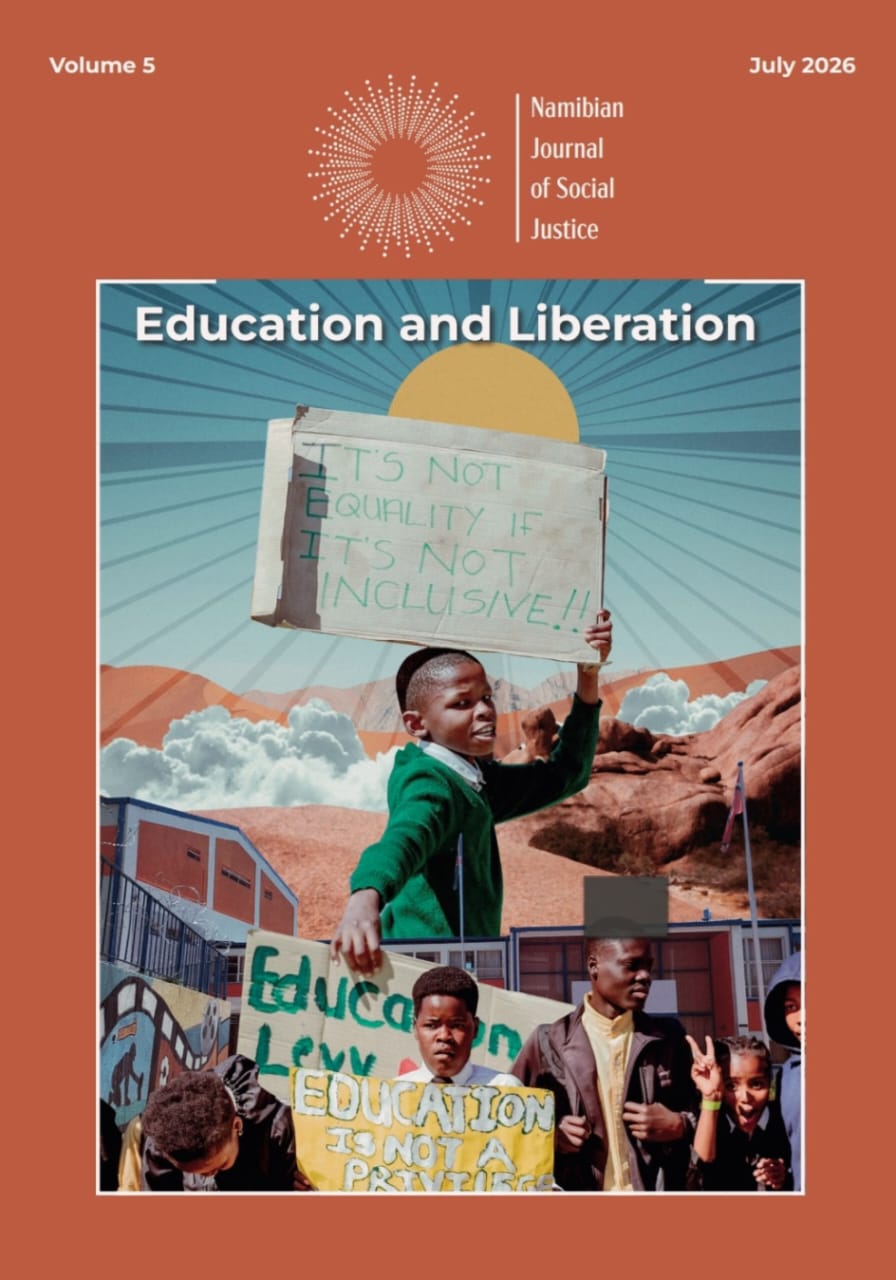
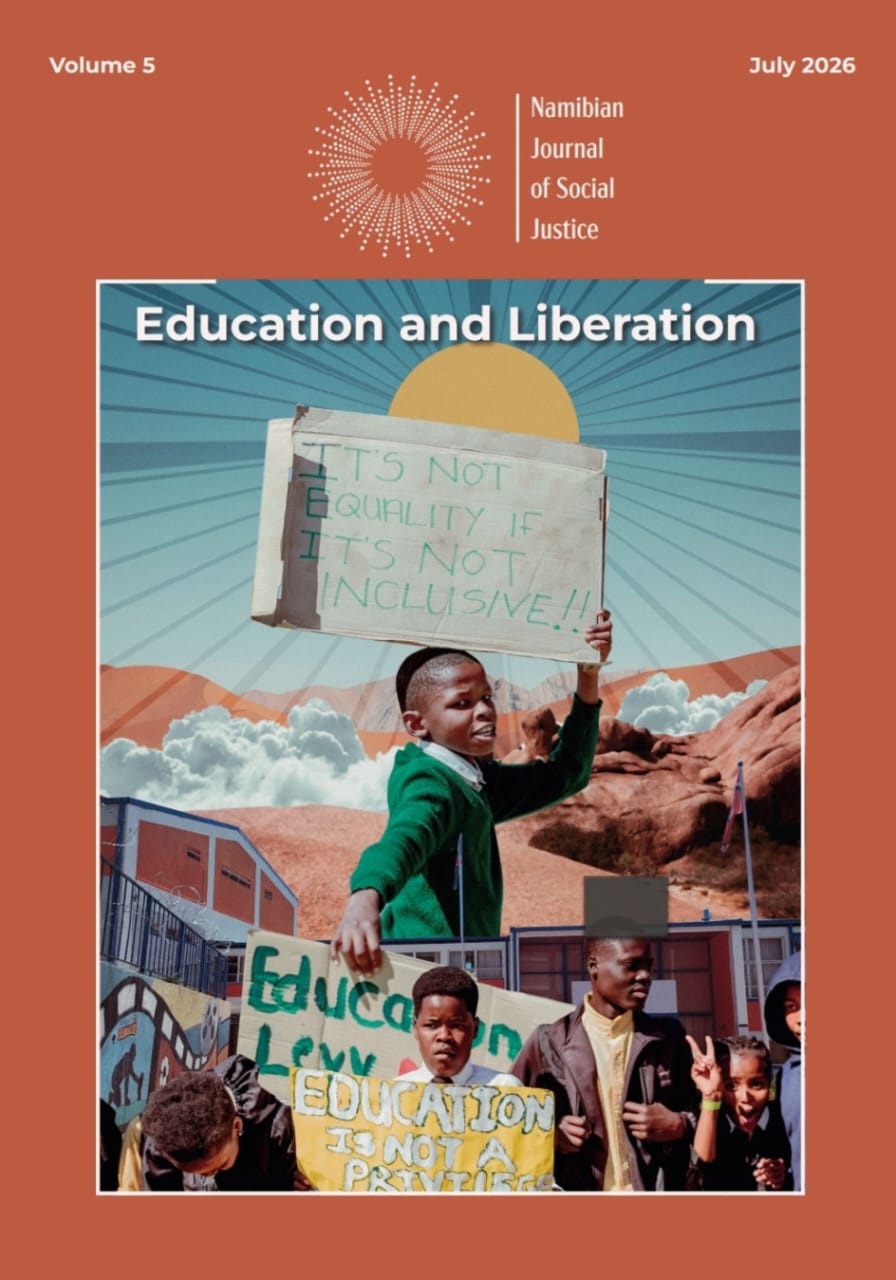
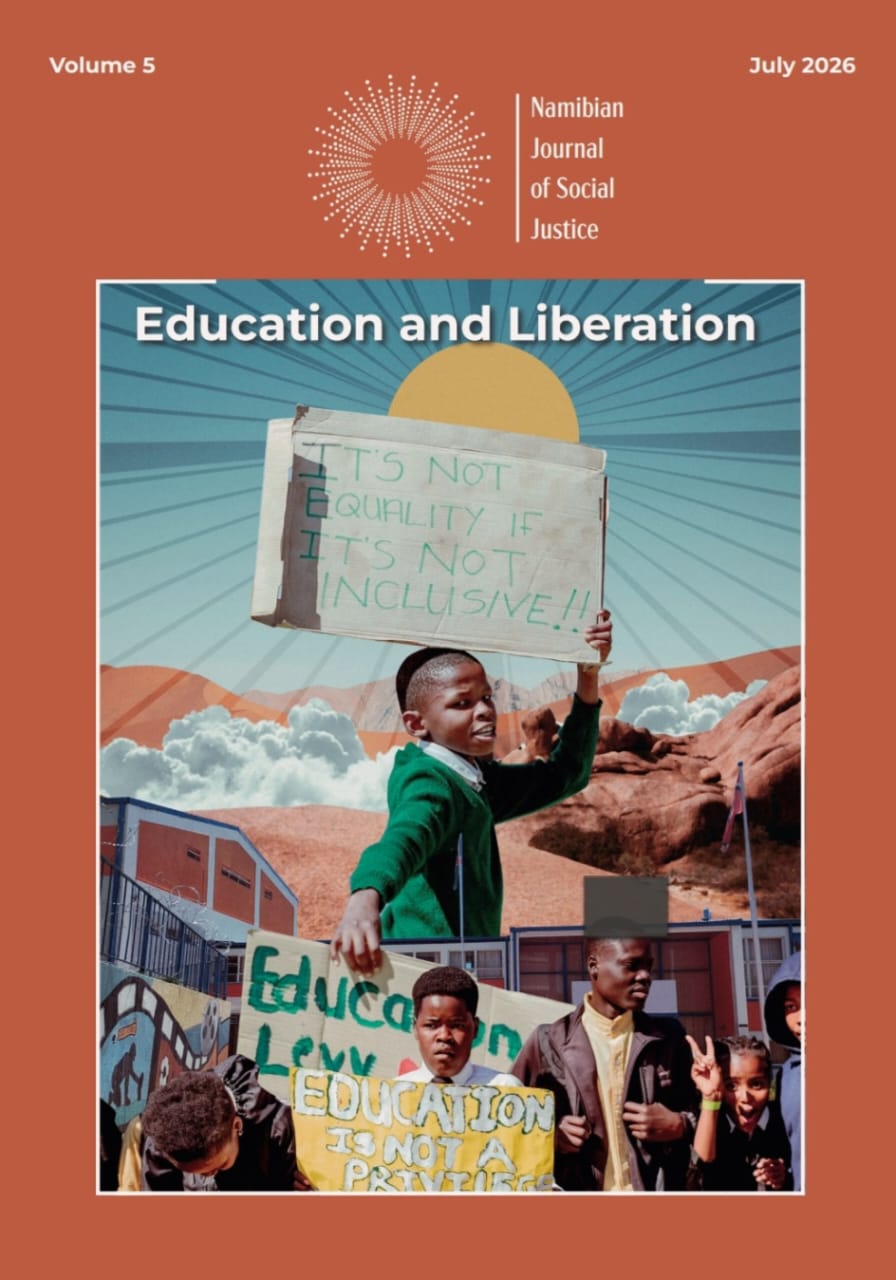
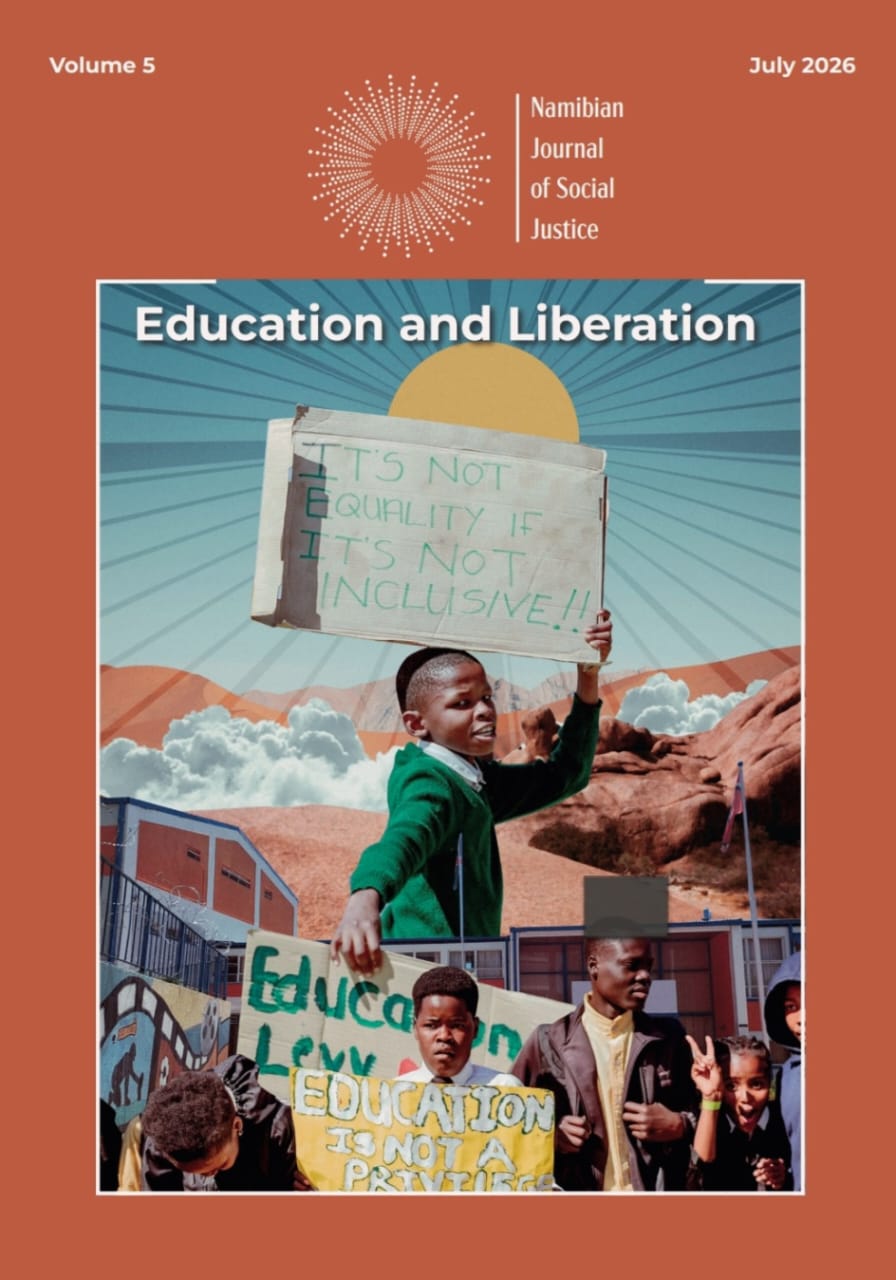
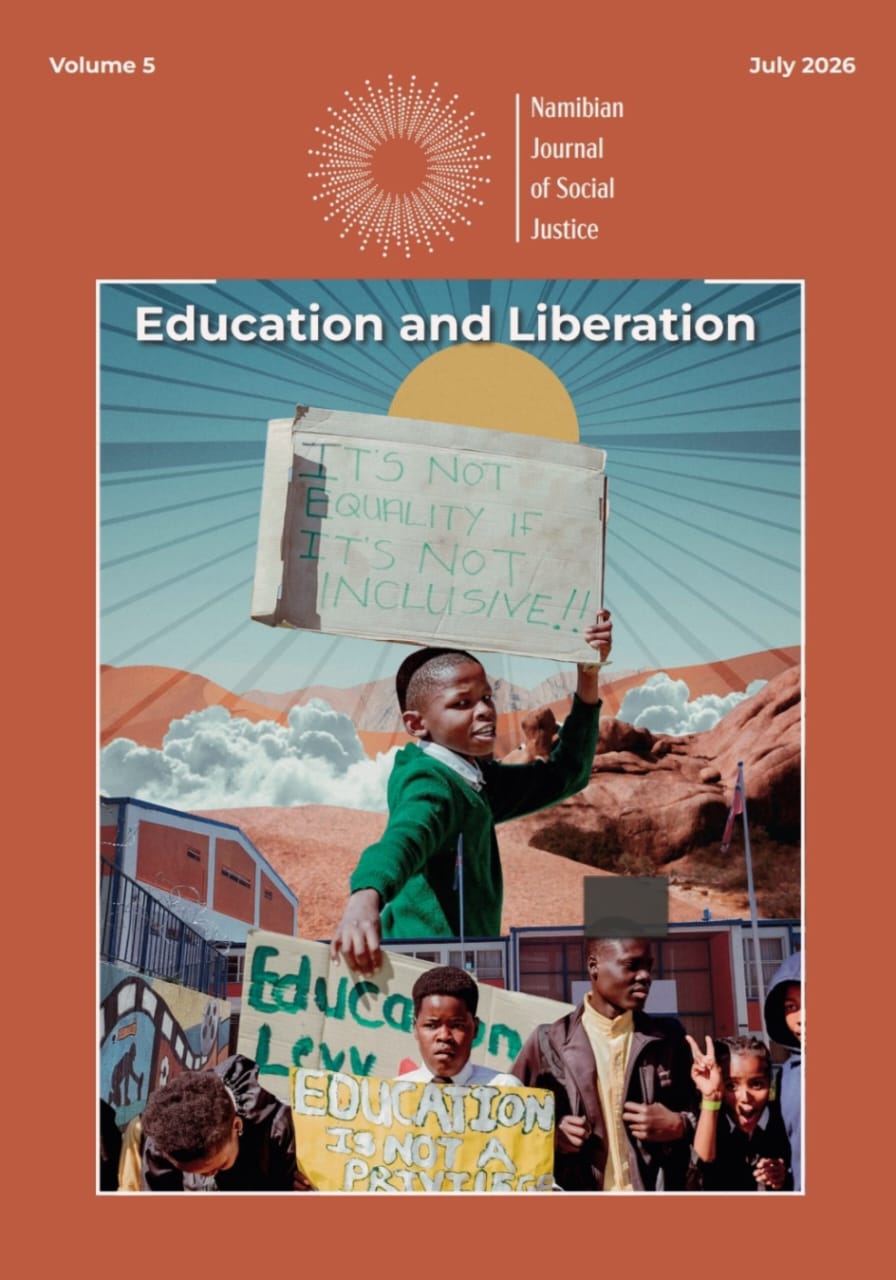
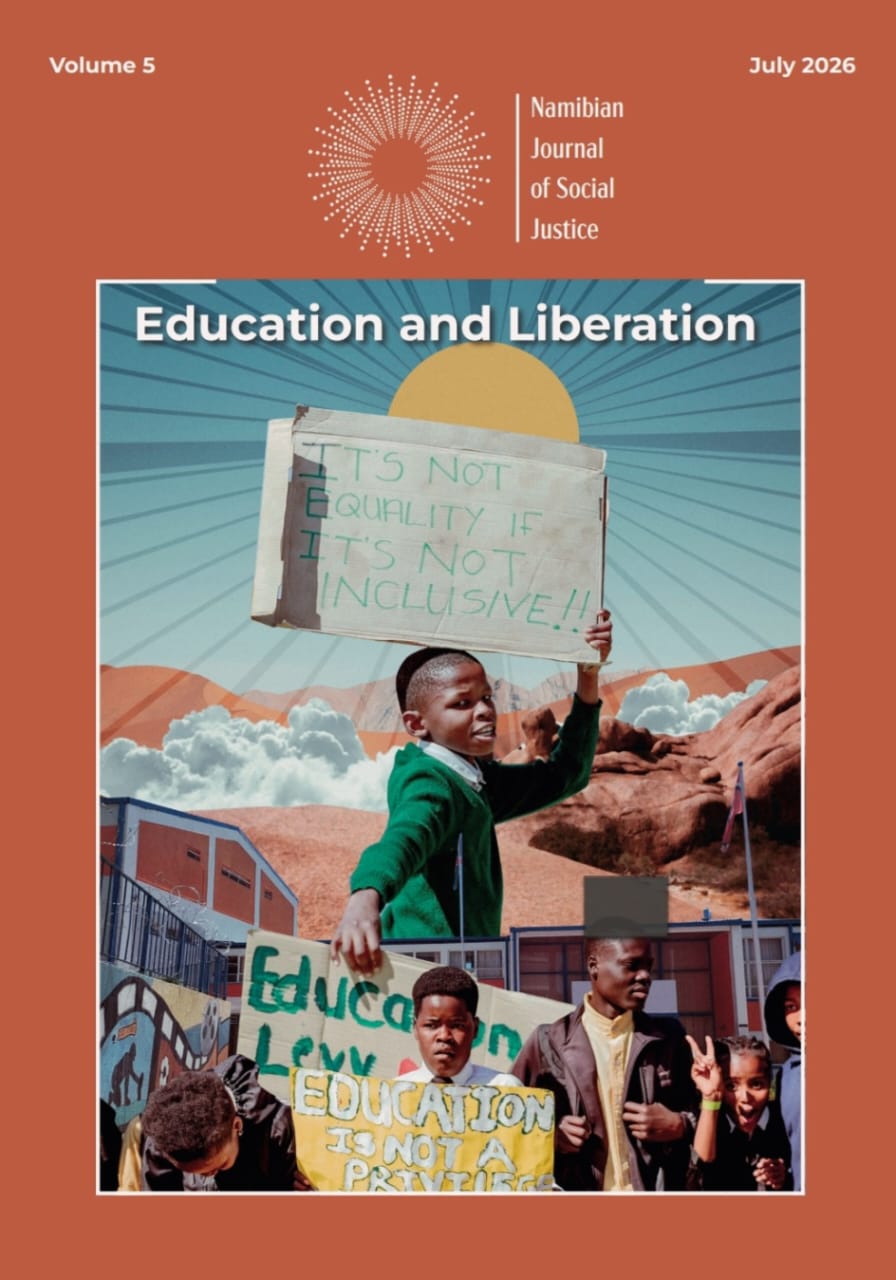
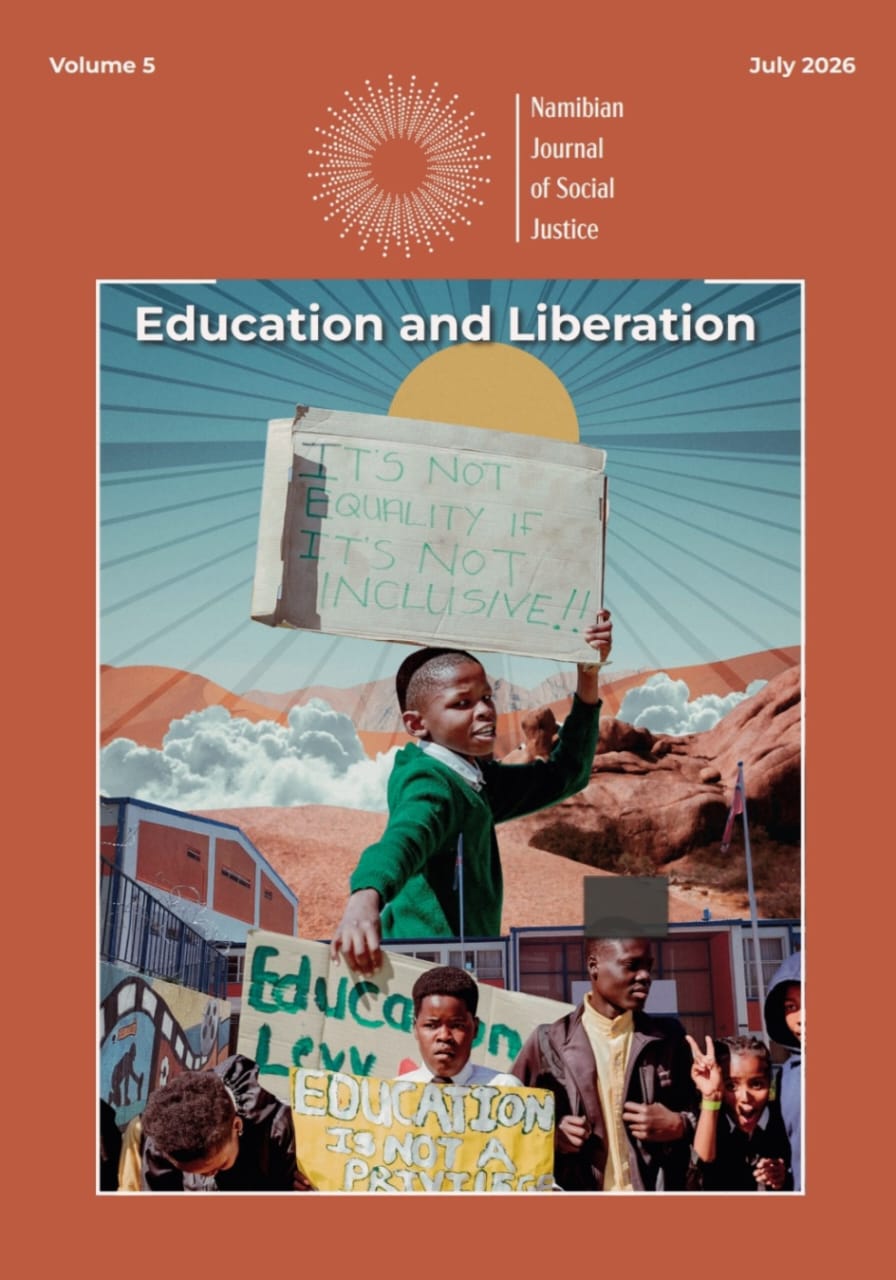
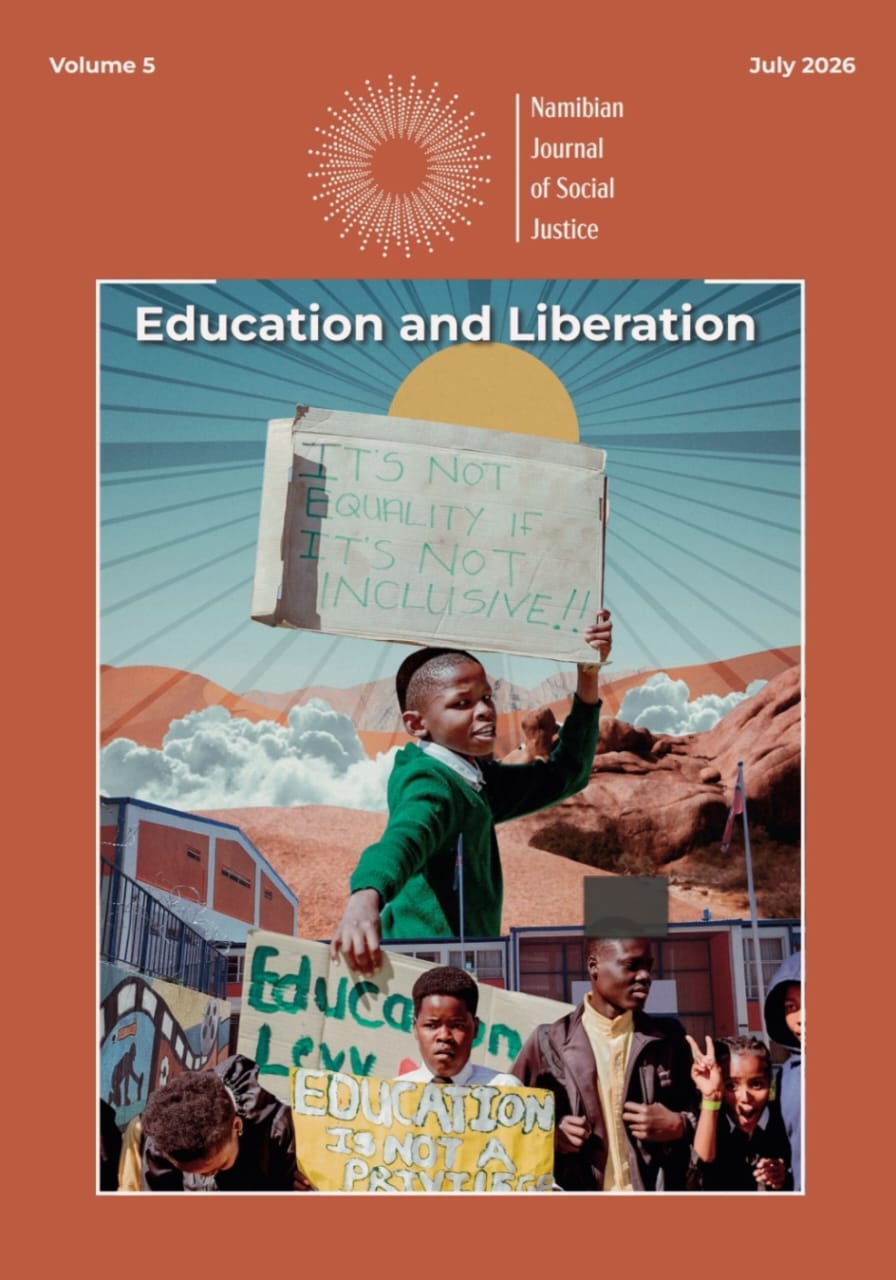
Volume 5: Education (2026)
Education and Liberation
The theme of “education and liberation” in Volume 5 of Namibian Journal for Social Justice is not only urgent and timely, but also historically grounded: it is a play on the aspirations voiced during the liberation struggle by a slogan of Namibia’s student movement, “education for liberation”. Globally, and particularly in the Global South, education consistently functioned as a double-edged sword, being deployed as an instrument of colonial oppression, while simultaneously serving as a means of emancipation and resistance for the oppressed. Education offers a paradox: it can be a catalyst for liberation and serve as a transformative force for justice, dignity, and freedom, but it can also reproduce colonial hierarchies.
Social justice in education demands adherence to some key social justice principles, namely access, equity, participation, diversity, and respect for human rights. Namibia’s educational policy frameworks all declare deep
commitment to these principles. However, many of the articles featured in this edition lay bare the gaps
between policy discourse and practice with the aims of stimulating discussion and engendering a review of current
practices.
Across the globe, movements for decolonising education seek to challenge Eurocentric curricula, validate indigenous knowledge, and cultivate critical pedagogies (Smith,2021). In this sense, education is becoming a praxis of liberation—an ongoing struggle to decolonise and transform oppressive structures and create spaces for dignity, justice, and freedom.
By weaving together case studies, theoretical reflections, and opinion pieces, this volume positions education as a transformative force. It calls on, practitioners, communities and policymakers to recognise that education can oppress or liberate. Together, these contributions frame education in the context of power, identity, and justice, and not merely as the transmission of knowledge. This implies that liberation through education is lived experience in classrooms, communities, and historical memory.